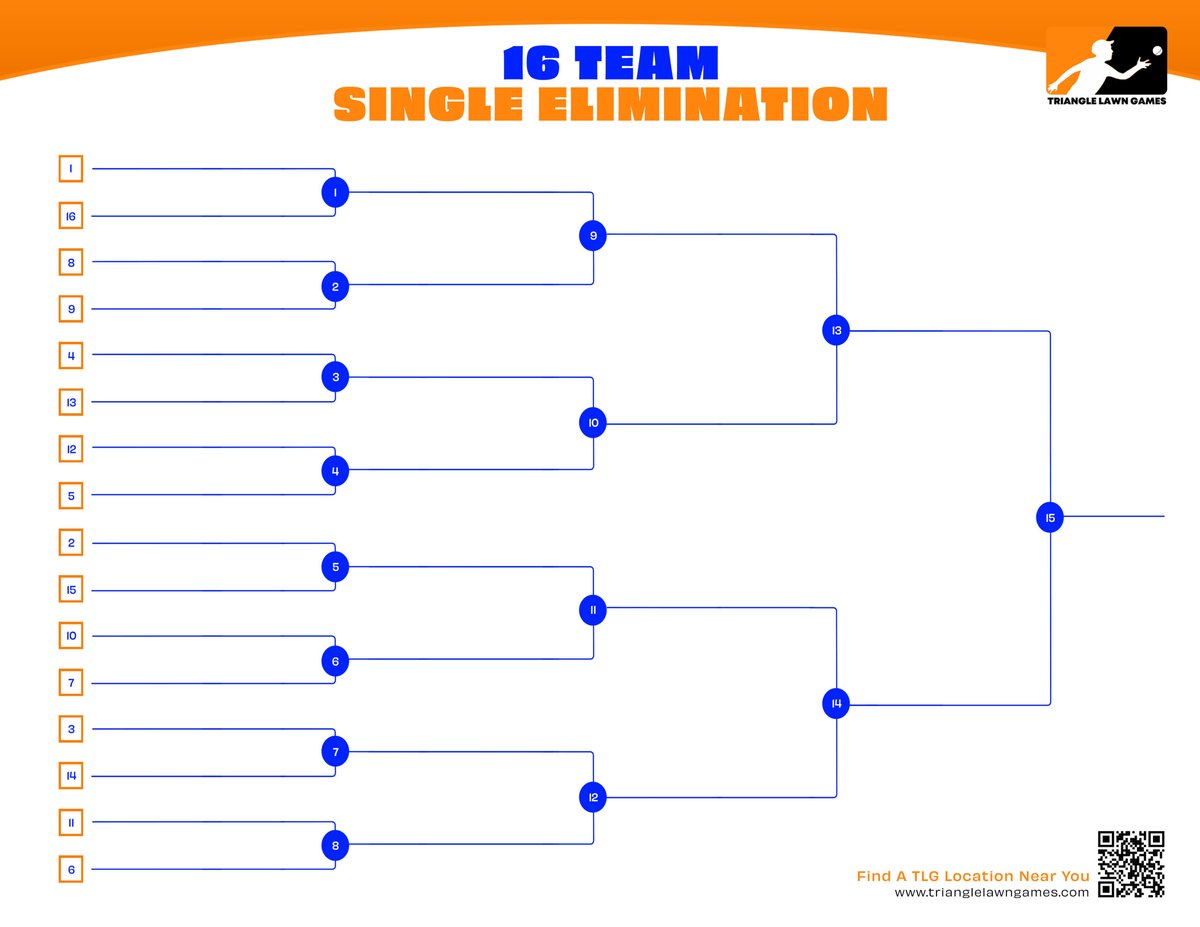
Mastering the art of sharing, updating, and managing your tournament brackets isn't just about efficiency; it's about delivering an unforgettable experience for every participant, from casual gamers to serious athletes. A well-run tournament feels seamless, fair, and exciting, and at its core is a perfectly orchestrated bracket. Forget the days of messy whiteboards and frantic calls; today's tools and best practices let you run events like a pro, keeping everyone informed and engaged.
At a Glance: Your Bracket Management Checklist
- Choose the Right Tool: Opt for online bracket makers like ScoreLeader for ease of creation, sharing, and real-time updates.
- Select Smart Formats: Match bracket type (single-elimination, double-elimination) to your tournament's size, time, and fairness goals.
- Seed with Strategy: Use data and a clear methodology to ensure fair initial matchups.
- Test Everything: Conduct a mock run-through of your bracket system well before the event.
- Define Roles Clearly: Assign specific responsibilities for tournament direction, bracket management, and communications.
- Update Instantly: Enter scores immediately, confirm results, and publish updates in real time.
- Communicate Constantly: Use multiple channels (screens, apps, PA) to keep participants informed.
- Prepare for Pitfalls: Have protocols for no-shows, disputes, and venue issues.
- Learn and Improve: Gather feedback and analyze metrics for future events.
The Heartbeat of Competition: Leveraging Online Bracket Makers
In the digital age, a robust online tournament bracket maker is your best friend. Platforms like ScoreLeader are designed to be the "heartbeat" of your event, streamlining everything from initial setup to final results. Imagine being able to create a bracket in minutes, simply by selecting a format and inputting participant names. This isn't just a convenience; it's a foundational element for effective tournament management.
The power lies in their adaptability. Whether you're running a fiercely competitive esports league, a casual office ping-pong challenge, or a multi-sport school tournament, these tools support various formats like single elimination. They automatically track wins, losses, rounds, and even tie-breakers, ensuring accuracy without manual calculations. The professional, clean design means your brackets are always readable, whether displayed on a large screen or viewed on a participant's phone.
Perhaps the greatest advantage for sharing, updating, and managing your tournament brackets is the unique shareable link. No more emailing bulky files or printing dozens of copies. A single link grants everyone instant, real-time access to the latest bracket status, directly on their mobile device or computer. When a match concludes, the bracket manager can manually update results, and the system instantly reflects the changes, advancing teams and setting up the next matchups. This real-time visibility fosters engagement and keeps the tournament moving smoothly. For those looking to get started, you might find our free bracket generator to be an invaluable resource for your next event.
Designing Your Bracket for Success: Formats and Seeding Strategies
Before a single match is played, the design of your bracket dictates the entire flow and fairness of your tournament. It’s a critical strategic decision that impacts everything from player experience to the overall event timeline.
Choosing the Right Bracket Format
Your choice of bracket format should align directly with your tournament goals and logistical constraints:
- For Large Fields (32+ teams) with Time/Space Limits: Consider formats where participants get only one loss, like single-elimination. These are efficient, leading to shorter overall tournament times and less playing time per team, which is ideal if you have limited courts or a tight schedule. The downside is that one bad game can send a strong team home early.
- For Competitive Events (8-32 teams) Prioritizing Fairness: Opt for formats that allow teams a second chance, such as double-elimination or consolation brackets. These formats ensure that the "best" team is more likely to win, as they can recover from an early upset. However, they require more courts/time and involve more complex management due to the extra matches and bracket paths.
Always weigh the balance between fairness, participant playing time, and the resources (time, courts, staff) you have available.
Seeding: Ensuring a Fair Fight
Effective seeding is crucial to a credible tournament. It’s about ranking participants strategically to avoid strong contenders knocking each other out in early rounds.
Here’s how to approach it:
- Leverage Past Performance: Utilize previous tournament results, league standings, or official rankings to determine seed order. This is the most objective method.
- Consider Regional Balance: For larger events, distribute top-seeded teams across different regions of the bracket. This prevents early local rivalries that might dilute later rounds and ensures a wider geographic representation in the finals.
- Document Criteria: Be transparent. Clearly define and publish your seeding criteria before registration closes. This builds trust and minimizes disputes later.
- Committee Decisions: For contentious seeding cases or a large, complex field, empower a small, unbiased committee to make final decisions. Their collective judgment can often provide a fairer outcome.
- Announce Methodology: Prior to registration closing, make sure participants understand how seeding will be determined. This sets expectations and reinforces fairness.
Preparing for Game Day: Pre-Tournament Essentials
A smooth tournament experience is built on thorough preparation. The weeks leading up to your event are crucial for setting the stage and identifying potential roadblocks.
The "Pro Tip": Test Your System Rigorously
This cannot be overstated: Test your entire bracket management system 1-2 weeks before the tournament begins.
- Create a Mock Tournament: Set up a dummy tournament with sample participant data.
- Run Through Scenarios: Enter scores for mock matches, advance teams, simulate forfeits, and even test score disputes.
- Identify Workflow Issues: See if staff can easily navigate the system, enter data correctly, and find information.
- Staff Training: Use the mock run to train your team on score entry, bracket updates, and troubleshooting common issues.
- Integration Checks: If your system integrates with scheduling software, live streaming, or other tools, ensure all connections are functioning perfectly.
A solid test run will uncover most issues before they impact your actual event, saving you immense stress on tournament day.
Defining Your A-Team: Roles and Responsibilities
Tournament management is a team sport. Clearly defined roles ensure accountability and efficiency:
- Tournament Director: This is the ultimate authority. They make final decisions on disputes, approve major bracket modifications, interpret tournament policies, and serve as the main point of contact for significant team concerns.
- Bracket Manager: This individual is the operational heart of the tournament. Their responsibilities include accurate score entry and validation, real-time bracket updates, minor schedule adjustments, and initial system troubleshooting. They are the go-to person for all live bracket-related queries.
- Communications Lead: Tasked with keeping everyone informed. This includes managing announcements, social media updates, participant notifications (via app, SMS, email), and media relations (if applicable). They ensure timely and clear messaging.
During the Tournament: Real-Time Management and Troubleshooting
When the competition is live, your ability to efficiently manage scores, update brackets, and resolve issues on the fly becomes paramount.
Flawless Score Management Protocol
Accurate and timely score entry is the bedrock of a well-managed bracket.
- Immediate Entry: As soon as a match concludes, enter the scores into your online system. Delays create confusion and can hold up the entire schedule.
- Team Confirmation: Before publishing, have both teams (or their representatives) confirm the final score. This simple step can prevent most score disputes.
- Double-Check Advancement Logic: After entering scores, quickly verify that the correct team has advanced in the bracket according to the rules. Online systems usually automate this, but a quick visual check can catch glitches.
- Paper Backup: Always maintain a manual, paper backup of all scores. In case of a system malfunction, this ensures your tournament can continue without losing critical data.
- Announce Next Round: As soon as a round is complete and the bracket is updated, immediately announce the matchups and schedule for the next round. This keeps participants ready and reduces downtime.
Handling the Unexpected: Common Scenarios and Solutions
No tournament runs perfectly. Having pre-defined protocols for common disruptions will save you from chaos.
- Team No-Shows (Before Tournament Starts):
- Solution: Remove the team from the bracket. Reseed if necessary to maintain balance (especially if a top seed drops out). Award a bye to their opponent. Crucially, notify all affected teams of schedule changes immediately.
- Team No-Shows (During Tournament):
- Solution: Award a forfeit to the opponent. Maintain the bracket structure as much as possible. Document the forfeit clearly for transparency and future reference.
- Equipment/Venue Issues: (e.g., a court becomes unavailable, power outage)
- Solution: Prioritize matches that affect the most teams or the critical path to the finals. Be prepared to extend the tournament schedule if absolutely necessary. Communicate delays immediately and frequently to all participants. For critical matches, identify and consider alternative venues if possible.
- Score Disputes:
- Solution: Establish a clear, written dispute resolution process before the tournament. When a dispute arises, pause bracket updates until resolved. Gather evidence from officials, witnesses, and involved parties. Apply written tournament rules consistently. Document the decision thoroughly and communicate it to all parties involved, including why the decision was made.
Keeping Everyone in the Loop: Communication Strategies
Effective communication is the glue that holds a successful tournament together. Participants need to know where they need to be, when, and who they're playing.
Primary and Backup Channels
- Primary Channels:
- Live Bracket Display: Utilize large screens (monitors, projectors) in high-traffic areas displaying the real-time online bracket.
- PA Announcements: Essential for critical updates, calling teams to courts, and major schedule changes.
- Mobile App/Website: A dedicated tournament app or responsive website offering real-time bracket access and notifications is gold-standard.
- Backup Channels:
- SMS Notifications: For critical schedule changes, especially for teams nearing their match time.
- Social Media: Keep your followers updated, particularly for major announcements or highlights.
- Printed Brackets: Have updated printed copies in key areas (e.g., registration desk, snack bar) for those who prefer physical copies or in case of tech issues.
The Communication Timeline
Timing is everything when disseminating information.
- Upcoming Matches: Announce upcoming matches at least 15 minutes before their scheduled start, prompting teams to prepare.
- Match End: Update the online bracket immediately after each match ends and scores are confirmed.
- Next Round Schedule: Announce the full schedule for the next round as soon as a current round is complete, allowing teams to plan.
- Major Changes: For any significant delays, venue changes, or rule interpretations, use multiple announcement methods (PA, app, social media) to ensure maximum reach.
Beyond the Final Whistle: Continuous Improvement
A truly successful tournament isn't just one that finishes on time; it's one that learns from itself. Post-tournament analysis and feedback are vital for refining your processes and improving future events.
Measuring Success: Operational and Participant Metrics
Track these metrics to understand what worked and what didn't:
- Operational Metrics:
- Average Match Duration: Helps in future scheduling.
- Court Utilization Rates: Optimize venue usage.
- Schedule Adherence: How well did you stick to the planned timeline? Identify bottlenecks.
- Staff Efficiency: Assess workload and identify areas for better training or additional support.
- Technology Performance: Note any glitches or system limitations.
- Participant Experience Metrics:
- Wait Times Between Matches: A key factor in participant satisfaction.
- Communication Effectiveness: Did participants feel well-informed?
- Dispute Resolution Satisfaction: How fairly and quickly were issues handled?
- Overall Event Rating: A general satisfaction score.
- Likelihood to Return: The ultimate indicator of a positive experience.
The Post-Tournament Checklist: Learning for Next Time
Don't let the lessons learned fade away.
- Staff Debrief: Within 48 hours of the tournament, hold a meeting with your team to discuss successes, challenges, and areas for improvement. Fresh memories are key.
- Participant Feedback Survey: Send out a survey to gather direct input on their experience, focusing on bracket management, communication, and overall event quality.
- Document Everything: Compile all issues encountered, their resolutions, and suggestions for improvement into a comprehensive report.
- Update SOPs: Revise your Standard Operating Procedures (SOPs) based on the debrief and feedback.
- Plan Technology/Process Improvements: Identify specific tools or workflows that need upgrading or modification.
- Archive Data: Store all tournament data for historical reference, seeding for future events, and performance analysis.
By meticulously sharing, updating, and managing your tournament brackets, you're not just organizing an event; you're crafting an experience. With the right tools, strategies, and a commitment to continuous improvement, your tournaments will be remembered for their flawless execution and thrilling competition.